Editorials

Testpad Blog > Editorials
person at a desk hiding under a blanket

EDITORIALS

Stop hiding your test results in graphs and charts

Don’t overcomplicate reporting test results. While it might seem simple to present metrics and statistics in charts and graphs, they don’t actually tell you what you really need to know about what’s working and what isn’t.

Small child walking across colourful tires

EDITORIALS

Pragmatic testing: The practical approach to software testing

Software testing is about discovery. It involves exploring software to understand its quality and giving stakeholders the information they need to make better decisions. But testing can veer off course.

Group of people at an office table

EDITORIALS

Outsourced testing: When and how to bring in external help

The truth is, hiring takes time, but bringing in external testers isn’t complicated. Most teams need help faster than recruitment can deliver, and outsourcing gives you extra hands without the delay – or the commitment – of permanent hires.

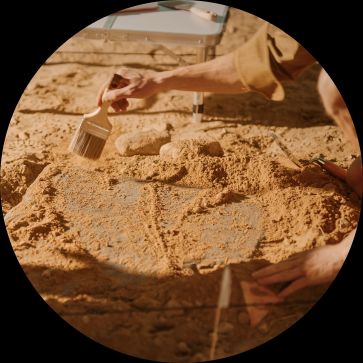
Image of someone looking for something carefully in the sand using a paintbrush

EDITORIALS | EXPLORATORY TESTING

9 Best Exploratory Testing Tools for 2025

Exploratory testing tools help teams test more effectively by combining creative freedom with structured workflows. Finding the right tool can be overwhelming, so here are 9 tools that will help improve your software quality.

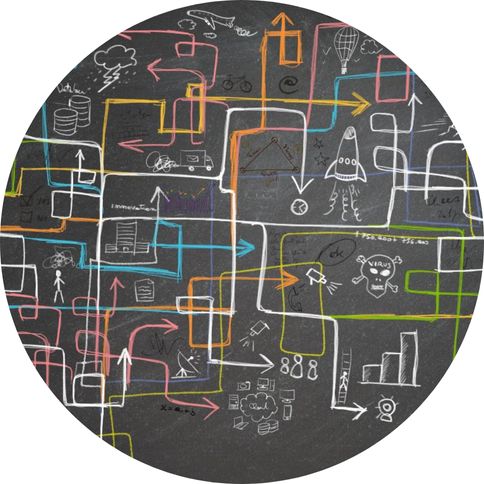
Image of a chalk board with lots of complicated drawings and plans

EDITORIALS

Don't Over Plan Your Testing

Over planning is a common trap for testing teams. They get caught up building elaborate frameworks for test planning leaving obvious issues the chance to slip through to production – there is an easier way.

Child on a bike being taught by a parent.

EDITORIALS

How to Get Started With Manual Testing

The simple yet effective approach to testing that can transform your development process, helping you deliver more reliable software through human insight and real-world usage scenarios.

image of a stopwatch in a hand with a gray background

EDITORIALS

What is Session-based test management?

If you’ve heard of exploratory testing and you’ve heard of scripted testing, you’ve probably also heard of session-based test management, or SBTM. That’s because SBTM was designed to be a happy medium between the two.

women at a glass screen using post it notes to create a test scenario

EDITORIALS

Test scenarios: What are they, and when should you use them?

Test Scenarios help you make sure you cover all bases, helping you to spot any potential problems or bugs before they become a problem for your users. But how do they fit into your testing strategy?

image of a women using post-it-notes on a window to create a plan

EDITORIALS

How to write your first Test Plan

You know testing your product is essential, but as you dive into the research on how to write a test plan, it feels overwhelming—too formal, too complicated, and filled with more considerations than you know what to do with. What if we told you it doesn’t have to be that hard?

image of a mechanic making checks to a car as a metaphor for manual regression checks

EDITORIALS

The surprising benefits of Manual Regression Testing

Regression testing is a useful part of the software development process. It helps to make sure your software stays stable as you upgrade pieces of code, preventing yesterday's bugs from sneaking back into tomorrow's releases.

image of a mind map on top of an image of a table.

EDITORIALS

Mind Maps for Test Planning in Testpad

Creating a test plan from scratch can be overwhelming. Without a clear structure, you risk missing important scenarios or leaving gaps in your testing. Mind maps offer a simple, effective way to visualize and organize your test planning, ensuring thorough coverage.

 Image placeholder _assets/images/icons/pagination_back.svg1 2 3 4 5 6 7 8  Image placeholder _assets/images/icons/pagination_back.svg

Subscribe to receive pragmatic strategies and starter templates straight to your inbox

no spams. unsubscribe anytime.