
Editorials
Testpad Blog > Editorials
EDITORIALS | EXPLORATORY TESTING
What is exploratory testing?
Exploratory testing is essential to uncovering hidden issues and improving the quality of real-world usage. This guide covers what it is, when it pays off, and how to make it trackable.

EDITORIALS
Agile testing: the complete guide
Agile testing means two things – testing within a formal Agile framework, and simply testing with agility. This guide covers both: the methods, the lifecycle, the tools, and the challenges.

EDITORIALS
How to write new test scripts with our custom GPT
Our custom GPT writes test scripts in minutes. Describe what you're testing, review the output for your product specifics, paste into Testpad.

EDITORIALS | TESTING TOOLS
Best test management software for small teams (2026)
Five test tools that fit teams of two to ten, compared on seat pricing, setup time and upkeep: Testpad, Tuskr, Testiny, TestLodge and Qase's free tier.
EDITORIALS
Best UAT testing tools in 2026: collecting sign-off without the spreadsheets
Two unrelated kinds of product call themselves UAT tools: website feedback widgets, and test plan tools that collect pass/fail acceptance results. This roundup explains which is which, and when each fits.
EDITORIALS
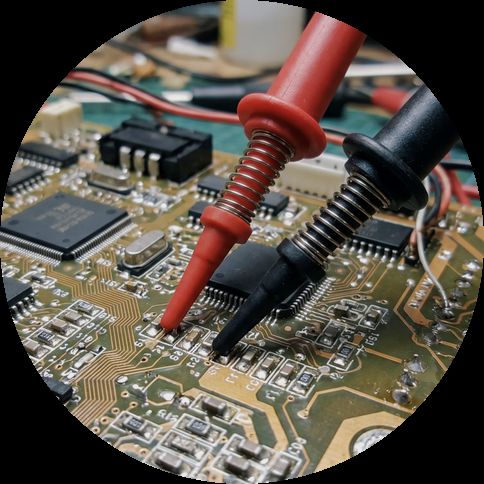
How hardware gets tested: bring-up, EVT to PVT, and firmware on real units
Testing a physical product runs on different rules from testing software: two identical units can behave differently, boards change between revisions, and every firmware build multiplies the matrix. What hardware testing involves, stage by stage, and how teams keep track of it.
EDITORIALS
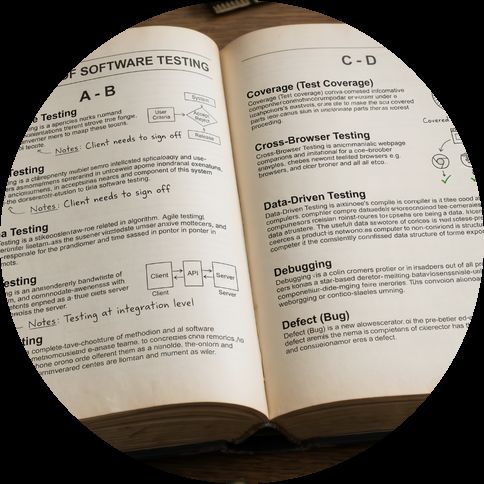
Testing terminology: a pragmatic glossary
An opinionated glossary of testing terms - what each one means, and whether it deserves a place in your process. Testing is simpler than its vocabulary makes it look.

EDITORIALS
What is test case design, and how do I do it?
Test case design techniques (equivalence partitioning, boundary value analysis, decision tables) explained simply, and how to choose the right level of detail.

EDITORIALS
What is a test plan in testing, and how does it differ from a test case?
A test plan and a test case are not the same thing – but they work together. Here's what each one is and how Testpad handles both.

EDITORIALS
Agile testing vs traditional testing
Agile testing adapts to change with short cycles and collaboration, while traditional testing follows rigid phases. Learn which approach fits your team's needs.

EDITORIALS
Test plans, not test cases
Formal test cases cost more than they return. Most of their words are product documentation in the wrong place, and their step-by-step instructions keep testers from the bugs nobody wrote a step for. So here is the case for a different default: the test plan as an outline of one-line prompts, covering the same ground with a fraction of the words.
EDITORIALS | EXPLORATORY TESTING
What is exploratory testing?
Exploratory testing is essential to uncovering hidden issues and improving the quality of real-world usage. This guide covers what it is, when it pays off, and how to make it trackable.
EDITORIALS
Agile testing: the complete guide
Agile testing means two things – testing within a formal Agile framework, and simply testing with agility. This guide covers both: the methods, the lifecycle, the tools, and the challenges.
EDITORIALS
How to write new test scripts with our custom GPT
Our custom GPT writes test scripts in minutes. Describe what you're testing, review the output for your product specifics, paste into Testpad.
EDITORIALS | TESTING TOOLS
Best test management software for small teams (2026)
Five test tools that fit teams of two to ten, compared on seat pricing, setup time and upkeep: Testpad, Tuskr, Testiny, TestLodge and Qase's free tier.
EDITORIALS
Best UAT testing tools in 2026: collecting sign-off without the spreadsheets
Two unrelated kinds of product call themselves UAT tools: website feedback widgets, and test plan tools that collect pass/fail acceptance results. This roundup explains which is which, and when each fits.
EDITORIALS
How hardware gets tested: bring-up, EVT to PVT, and firmware on real units
Testing a physical product runs on different rules from testing software: two identical units can behave differently, boards change between revisions, and every firmware build multiplies the matrix. What hardware testing involves, stage by stage, and how teams keep track of it.
EDITORIALS
Testing terminology: a pragmatic glossary
An opinionated glossary of testing terms - what each one means, and whether it deserves a place in your process. Testing is simpler than its vocabulary makes it look.
EDITORIALS
What is test case design, and how do I do it?
Test case design techniques (equivalence partitioning, boundary value analysis, decision tables) explained simply, and how to choose the right level of detail.
EDITORIALS
What is a test plan in testing, and how does it differ from a test case?
A test plan and a test case are not the same thing – but they work together. Here's what each one is and how Testpad handles both.
EDITORIALS
Agile testing vs traditional testing
Agile testing adapts to change with short cycles and collaboration, while traditional testing follows rigid phases. Learn which approach fits your team's needs.
